
"We packed it." "No, you didn't."
In e-commerce fulfillment, this back-and-forth happens more often than anyone would like. Without clear evidence, shipping disputes turn into he-said-she-said situations that drain time, money, and team morale.
The time and cost spent on claim resolution is a challenge that can't be ignored—especially as fulfillment operations scale. For customer service teams, it's often the biggest source of daily stress.
So what methods are fulfillment teams actually using to document their shipments? Let's break down three common approaches—CCTV, photo documentation, and video recording systems—and see how they stack up.

This approach uses existing security cameras to capture general warehouse footage.
Pros
Cons
One fulfillment manager shared that their team tried using CCTV footage for a claim investigation, but spent so much time searching for the right timestamp that they eventually gave up.
Workers capture images with smartphones or tablets at the point of shipment.
Pros
Cons
In practice, teams that rely on photos often find that documentation gaps emerge during busy seasons—exactly when claims tend to spike.
These systems automatically record each order from start to finish, either as standalone units or integrated with a WMS (Warehouse Management System).
Pros
Cons
One operation reported that after implementing video recording, they could instantly pull up footage when claims came in. Being able to tell customers "We reviewed the actual packing video" dramatically reduced resolution time.
Let's evaluate each method against the factors that matter most in day-to-day operations.
<div style="overflow-x: auto;">
  <table style="width: 100%; border-collapse: collapse; min-width: 500px;">
    <thead>
      <tr>
        <th style="border: 1px solid #ddd; padding: 12px 8px; text-align: left; background-color: #f5f5f5;">Criteria</th>
        <th style="border: 1px solid #ddd; padding: 12px 8px; text-align: left; background-color: #f5f5f5;">CCTV</th>
        <th style="border: 1px solid #ddd; padding: 12px 8px; text-align: left; background-color: #f5f5f5;">Photos</th>
        <th style="border: 1px solid #ddd; padding: 12px 8px; text-align: left; background-color: #f5f5f5;">Video Recording</th>
      </tr>
    </thead>
    <tbody>
      <tr>
        <td style="border: 1px solid #ddd; padding: 12px 8px;"><strong>Operational Burden</strong></td>
        <td style="border: 1px solid #ddd; padding: 12px 8px;">Low</td>
        <td style="border: 1px solid #ddd; padding: 12px 8px;">High (manual)</td>
        <td style="border: 1px solid #ddd; padding: 12px 8px;">Low (automatic)</td>
      </tr>
      <tr>
        <td style="border: 1px solid #ddd; padding: 12px 8px;"><strong>Searchability</strong></td>
        <td style="border: 1px solid #ddd; padding: 12px 8px;">Difficult</td>
        <td style="border: 1px solid #ddd; padding: 12px 8px;">Moderate</td>
        <td style="border: 1px solid #ddd; padding: 12px 8px;">Easy</td>
      </tr>
      <tr>
        <td style="border: 1px solid #ddd; padding: 12px 8px;"><strong>Evidence Strength</strong></td>
        <td style="border: 1px solid #ddd; padding: 12px 8px;">Weak</td>
        <td style="border: 1px solid #ddd; padding: 12px 8px;">Moderate</td>
        <td style="border: 1px solid #ddd; padding: 12px 8px;">Strong</td>
      </tr>
      <tr>
        <td style="border: 1px solid #ddd; padding: 12px 8px;"><strong>Vulnerability to Challenge</strong></td>
        <td style="border: 1px solid #ddd; padding: 12px 8px;">High</td>
        <td style="border: 1px solid #ddd; padding: 12px 8px;">High</td>
        <td style="border: 1px solid #ddd; padding: 12px 8px;">Low</td>
      </tr>
      <tr>
        <td style="border: 1px solid #ddd; padding: 12px 8px;"><strong>Customer Persuasion</strong></td>
        <td style="border: 1px solid #ddd; padding: 12px 8px;">Low</td>
        <td style="border: 1px solid #ddd; padding: 12px 8px;">Moderate</td>
        <td style="border: 1px solid #ddd; padding: 12px 8px;">High</td>
      </tr>
    </tbody>
  </table>
</div>
When choosing a recording method for claims, ease of operation is a critical factor.
CCTV requires no additional effort since it uses existing equipment. Video recording systems also run automatically once set up.
Photos, however, require workers to manually capture each shipment—adding steps to an already demanding workflow.
CCTV footage means digging through massive archives to find the right moment. Photos can be organized with file naming conventions, but this requires strict adherence to protocols that often break down under pressure.
Video recording systems let you search by order number or ship date, pulling up the exact footage you need in seconds.
Uncut video footage offers the strongest evidence—there's no question about what happened during packing.
Photos raise questions about timing and what wasn't captured. CCTV often lacks the detail needed to verify specific items or actions.
"You didn't photograph that part." "That photo was staged." Photo documentation is most susceptible to these kinds of pushback.
CCTV can face challenges too—"The work happened off-camera."
Video recording systems capture the entire packing process from start to finish, leaving little room for dispute.
When a customer files a claim, how convincing is your response?
Being able to say "We reviewed the complete packing video and confirmed the item was included" carries significant weight.
With photos or CCTV, there's always a lingering question: "Is that really from my order?"
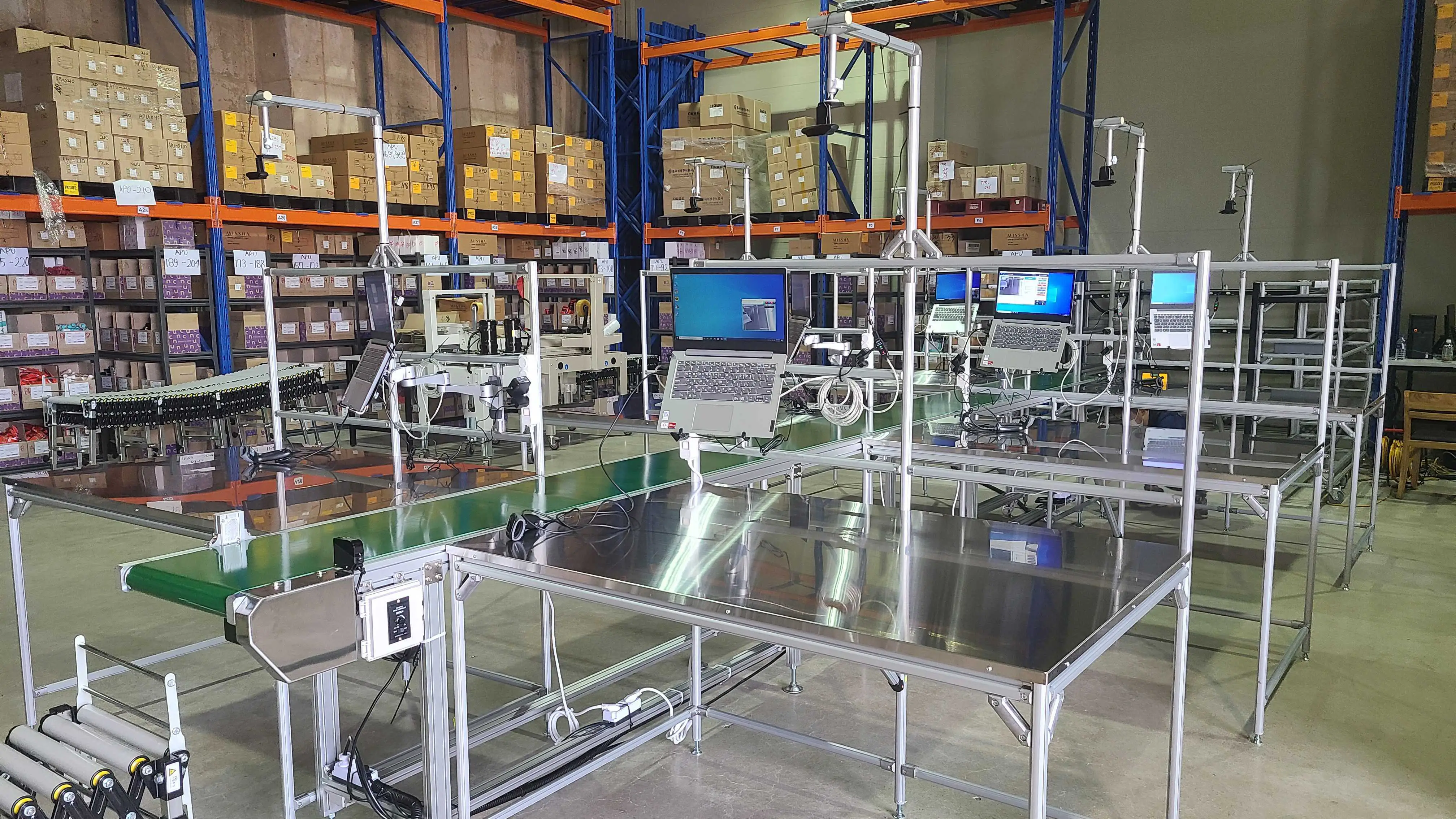
Each approach fits different situations.
Small-scale operations with infrequent claims Photo documentation may be sufficient. Establish clear protocols and enforce them consistently—you can maintain records without major investment.
Mid-size operations with regular claims Existing CCTV can be a starting point, but understand its limitations in searchability and evidence strength.
High-volume operations or high-value products Video recording systems are worth the investment. While there's upfront cost, the efficiency gains in claim resolution and the boost to customer trust deliver long-term value.
Improving claim resolution isn't just about cutting costs. Being able to show customers definitive proof is how you build lasting trust in your brand.


