
Are customers buying cosmetics—or are they buying experiences?
K-beauty brands are no longer just selling products. They're transforming physical stores into immersive experience spaces. Beyond the simple test-and-try approach, brands now offer skin diagnostics, personalized solutions, and beauty classes that deepen customer connections.
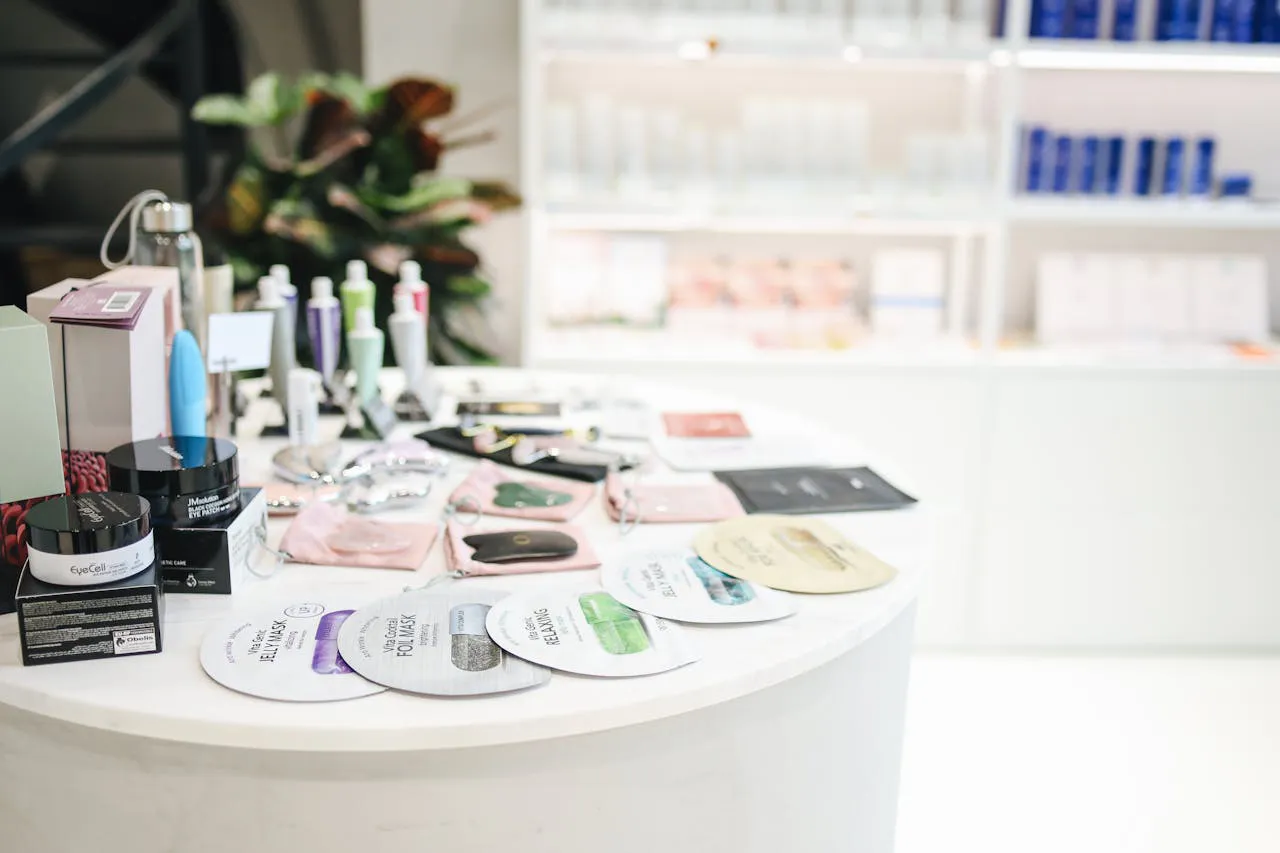
This shift is driven by three key factors: a saturated market where product differentiation alone isn't enough, an omnichannel environment where consistent experiences build brand trust, and consumers who value authentic brand storytelling. In short, K-beauty has moved from product competition to experience competition.
Online platforms dominate when it comes to price comparison and fast purchasing. To stay competitive, physical stores must evolve beyond simple retail—they need to become stages for brand experiences. The ability to see, hear, and feel products in person creates differentiation that online channels simply cannot replicate.
Leading K-beauty brands are already reimagining their stores as experiential spaces. Olive Young N Seongsu in Seoul offers skin diagnostics, scalp analysis, and home-care lessons through its beauty care programs, attracting over 23,000 visitors. It's transformed from a shopping destination into a place where customers want to linger.
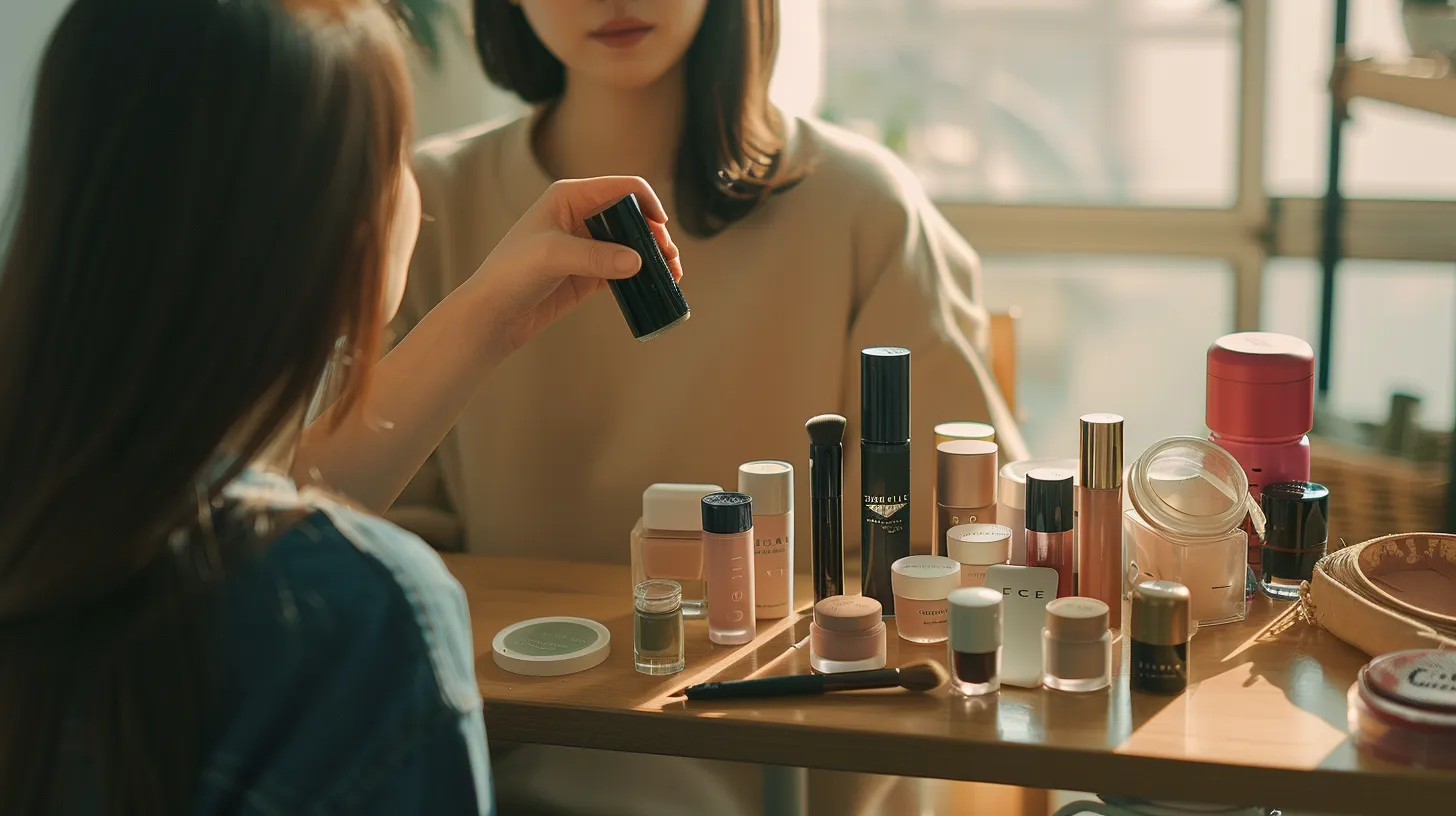
Kiehl's provides detailed skin analysis services that recommend products based on individual skin conditions. Dr.G offers one-on-one consultations with specialized counselors using diagnostic devices to deliver personalized solutions. Brands like Laneige and Sephora Gangnam are also running hands-on programs that showcase hyper-personalized beauty experiences.
Physical stores are no longer just places to buy products—they've become experiential platforms where customers immerse themselves in brand stories and discover solutions tailored to their needs.
Why are beauty brands racing to transform their stores into experiential spaces? It's not just about adding interesting features—it's a core brand strategy.
Online, brand messages easily get diluted among endless product information and reviews. Physical stores are different. From the moment customers walk in until they leave, the space delivers 100% brand immersion. Stores aren't just sales channels—they're the most powerful stages for creating lasting brand impressions.
Skin diagnostics, customized solutions, and color consultations provide "just-for-me" experiences. This personalization doesn't end with a purchase—it creates an emotional connection between brand and customer. The brand becomes more than a cosmetics seller; it becomes a partner that understands their skin and lifestyle.
Experiences don't just stay with customers—they spread through social media. Moments from beauty classes or receiving personalized products get captured and shared as photos and videos. This organic brand promotion builds loyal customer communities.
Customer experiences don't end at the store. What happens online often determines how customers remember a brand. The moments of waiting for an order, receiving the package, and unboxing all register as distinct brand experiences.
During these moments, customers don't just check the product—they experience how carefully the brand prepared their order and the attention to detail in the delivery. It's not so different from a store associate kindly providing a skin consultation and recommending personalized solutions.
If physical experiences are the stage where brands showcase their world, online unboxing is another stage for demonstrating trust and care. Ultimately, experiential brand experiences don't distinguish between offline and online. Customers expect to experience a brand's values everywhere—right up to the final moment.
Customer experiences don't end at the store. When products ordered online are prepared, packed, and delivered, every step becomes part of the brand experience. The challenge is that these processes happen out of sight.
This is where brands need to design visible experiences. While physical stores are direct customer-facing stages, online requires intentional touchpoints where customers can sense the brand's thoroughness and standards. So how do you design visible experiences?
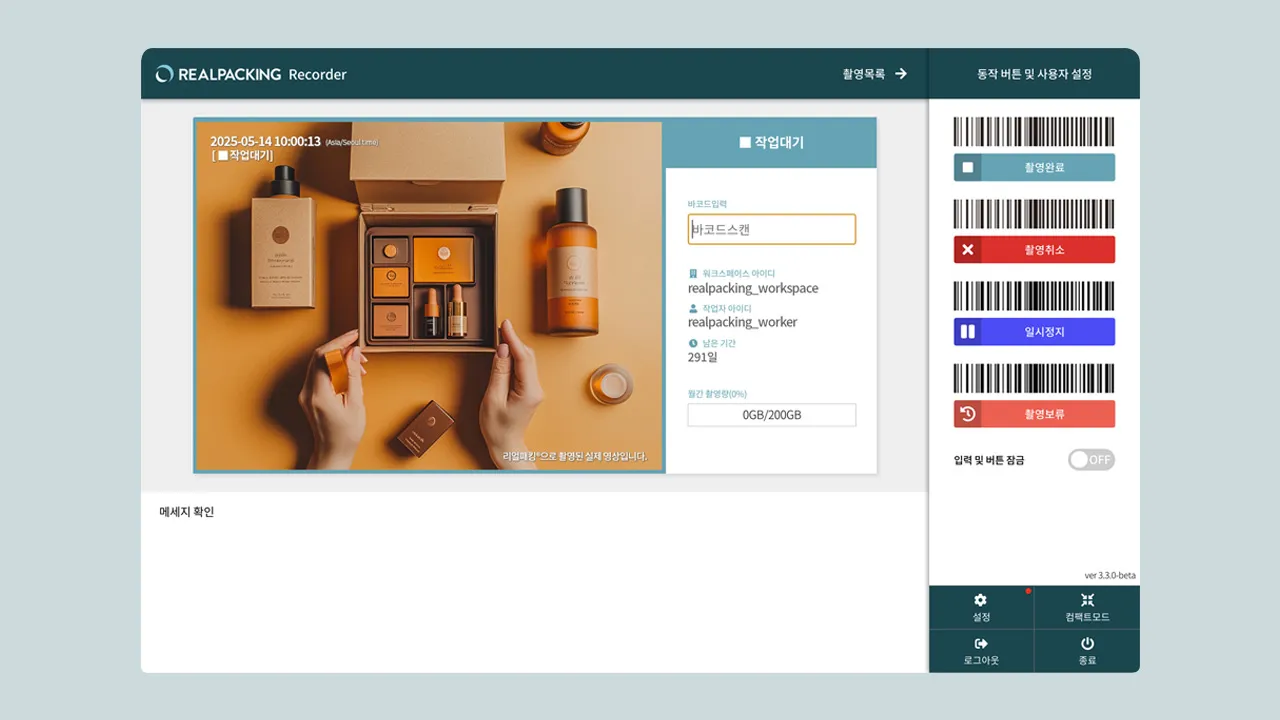
Start by capturing the moments customers worry about most—whether quantities are correct, product conditions are normal, and items were prepared to the promised standard. When customers can verify the brand's attention to detail firsthand, trust naturally builds.
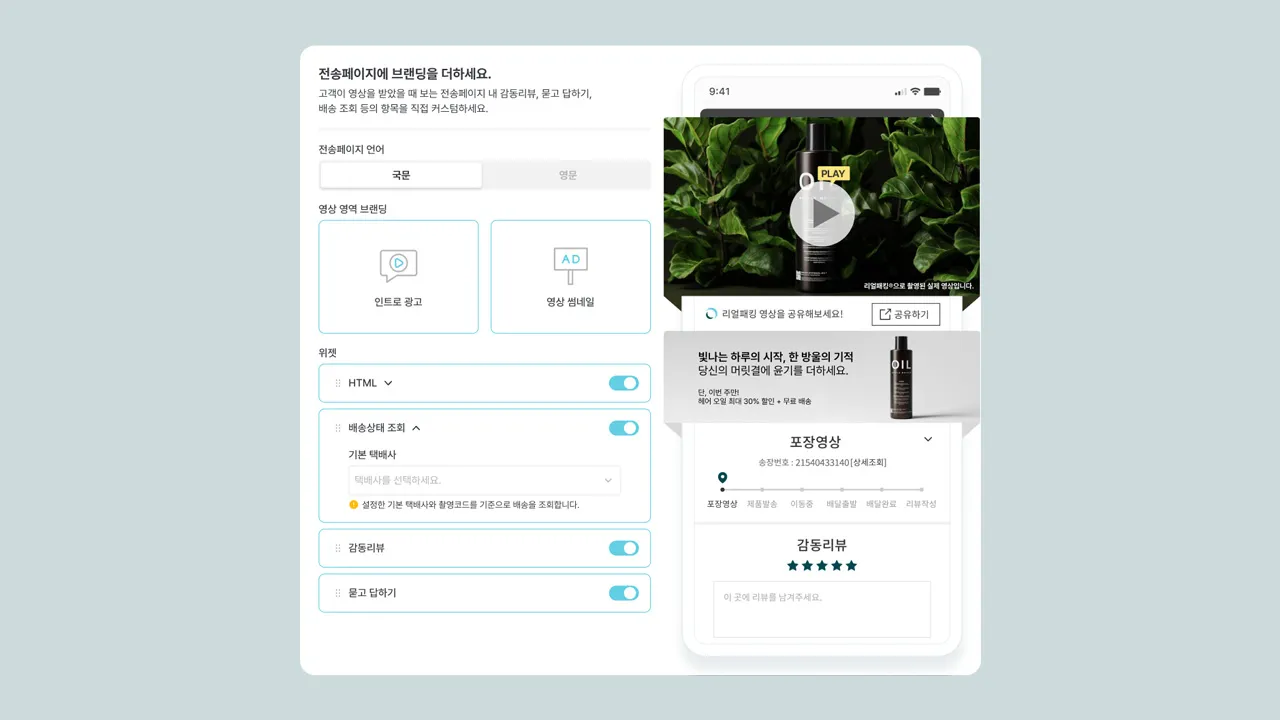
Share these recorded key moments with customers. When the video message includes brand logos, banners, and suggestions for next purchases, the screen becomes a continuation of your brand story.
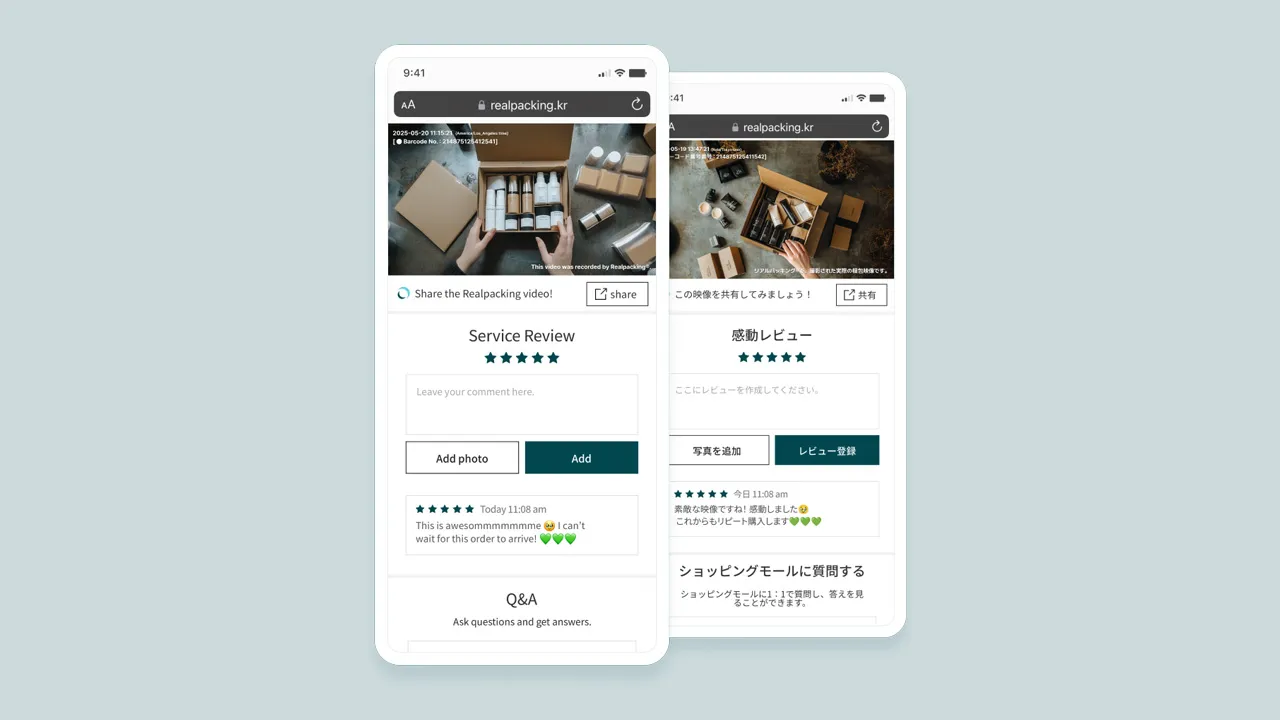
For international customers who can't visit physical stores, video documentation becomes the most intuitive and compelling way to experience the brand. It also enables faster resolution of inquiries and returns, strengthening both CS efficiency and customer trust.
Ultimately, brand experiences are completed through the interaction between offline and online. Making invisible moments visible—and presenting them in your brand's style—elevates the entire experience.
K-beauty no longer competes on products alone. Providing unique experiences has become the weapon, the trust-builder, and the path to loyalty. And these experiences don't end at physical stores. They must extend consistently to online channels and global customers alike.
In the end, surviving K-beauty's fierce competition depends on how consistently brands can design and scale experiential brand experiences—across offline and online, locally and globally.


