
As more brands expand into high-growth markets across Asia and beyond, their logistics operations follow. But running a fulfillment center in Thailand, India, or other emerging markets comes with challenges that domestic operations rarely face.
We've spent the past few weeks meeting with logistics operators and brand teams navigating these exact challenges. Here's what we learned.
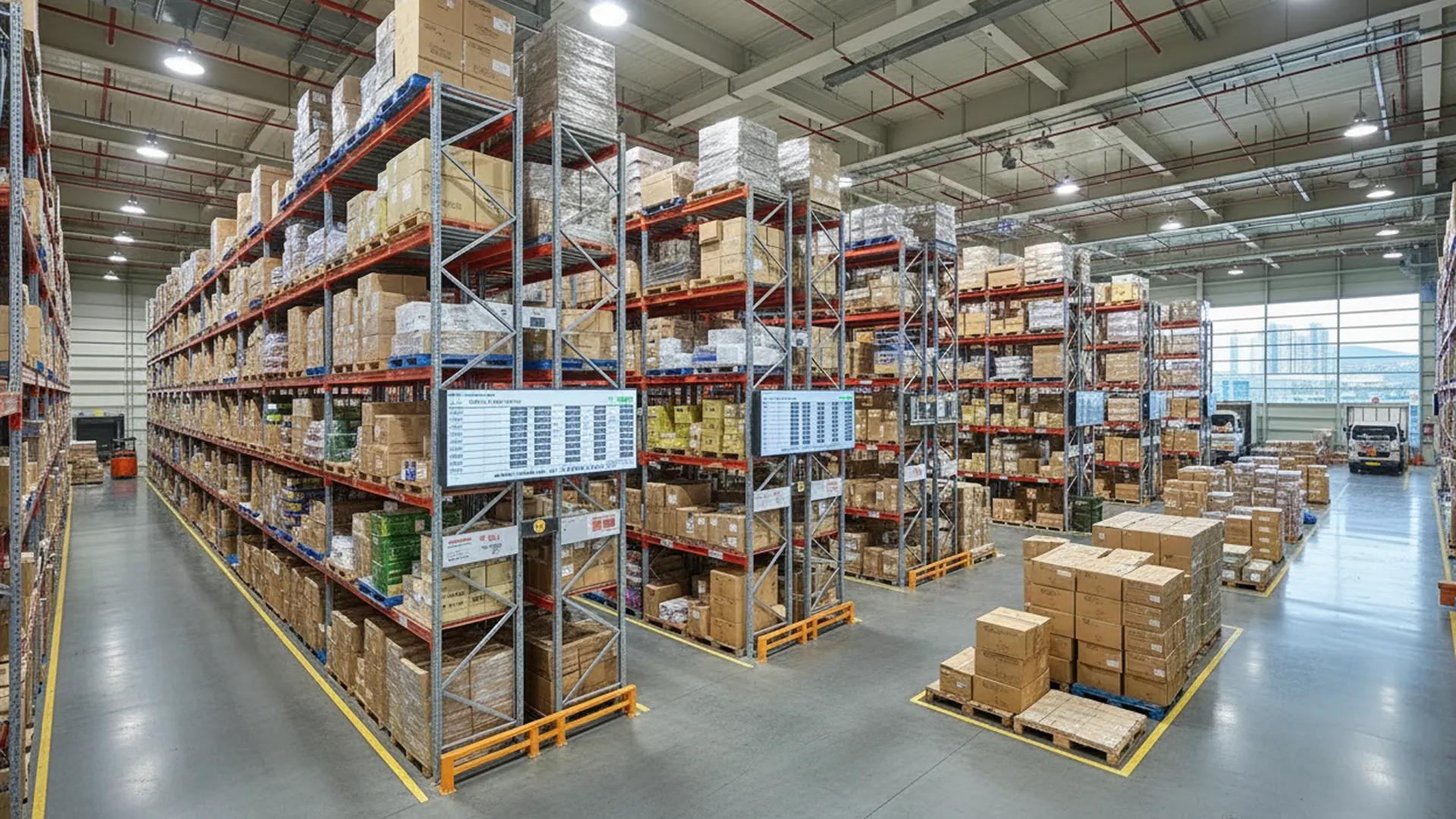
In cross-border logistics, a single mistake can turn into a significant loss. Customs fees, international shipping costs, and extended delivery windows compound quickly. One exchange or return can sometimes cost more than the product itself.
Companies shipping apparel and consumer goods to Southeast Asia told us the same thing: "When something goes wrong and we have no documentation, we're stuck absorbing the cost."
That's why teams want visibility at every handoff point — from packing to departure to arrival. If you can trace where an issue occurred, you can reduce unnecessary costs and clarify accountability across partners.
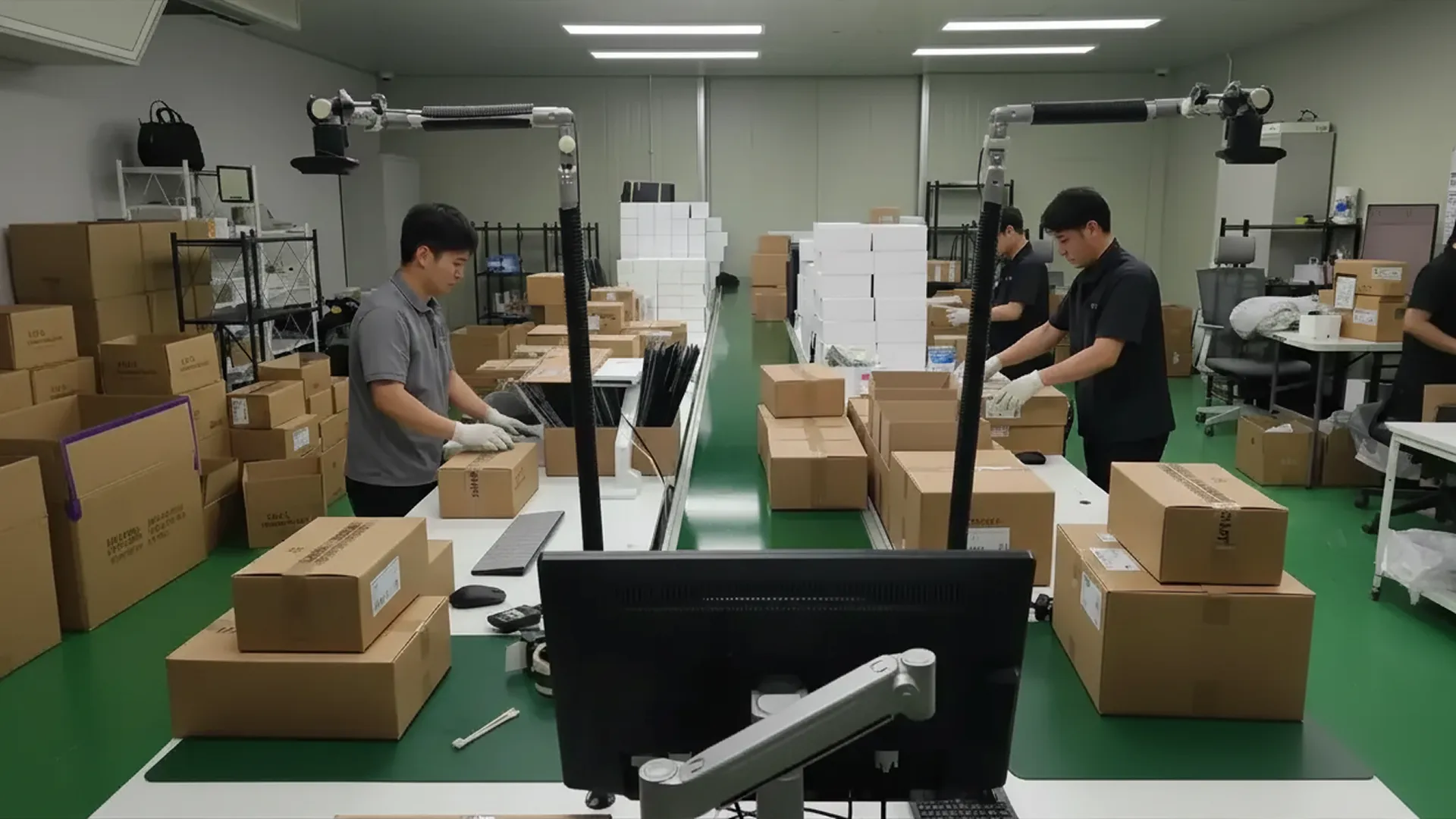
Managing local warehouse staff across different countries — or even different regions within the same country — is one of the most common pain points.
What we heard consistently: work pace and style vary dramatically by location. In Thailand, productivity differs between Bangkok and rural areas. In India, southern and northern regions have noticeably different work patterns.
"We're managing local workers at our India center, but the culture, mindset, and pace are totally different from what we're used to. We need something visible to track and align on."
Manuals and verbal instructions only go so far. When working with teams from different cultural backgrounds, you need a way to *see* how work is being done — not just tell people how it should be done. Ultimately, managing global staff isn't about control. It's about establishing shared standards that everyone can verify.
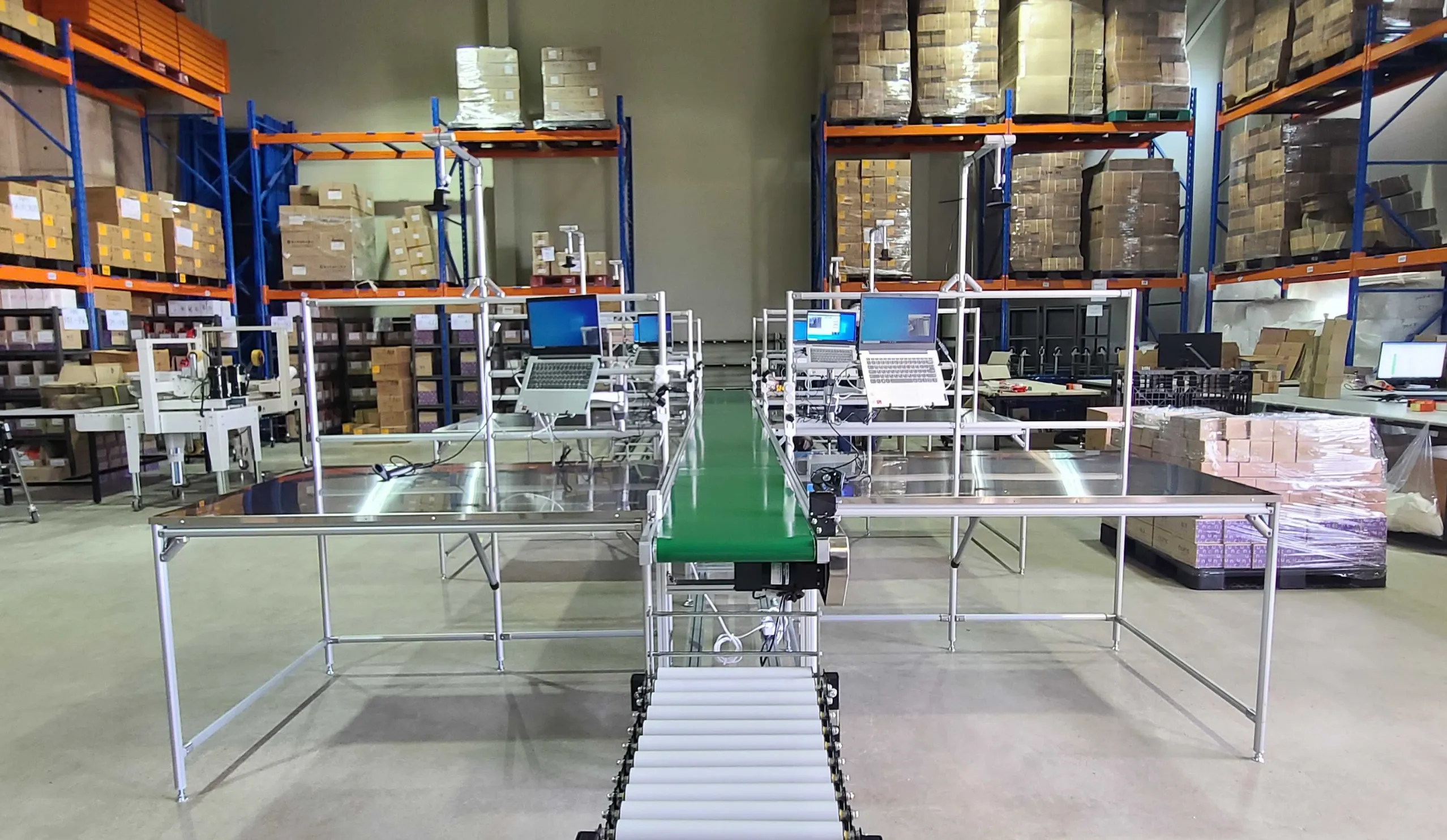
This is where the conversation gets interesting. It's not just about solving problems — it's about replicating a proven system across markets.
Many teams told us they want to deploy the same infrastructure they use at headquarters in their overseas centers. They've already validated a workflow that works. Why reinvent the wheel?
For companies handling high-value goods like collectibles, electronics, or premium products, maintaining the same inspection and documentation standards globally isn't optional — it's essential. If your system works at home, using it abroad is the most practical and reliable choice.
When companies explore overseas deployment, similar questions keep surfacing. They're not just asking "Can we use it?" — they want to know if their existing workflows will hold up in a new environment.
Language and accessibility are top of mind. Local workers handle recording; local managers review footage. Does the system support their language? Can anyone access it from anywhere with an internet connection?
Then come the practical concerns: How do we procure equipment overseas? If something breaks, can we get support quickly? Companies want systems that run on standard devices and offer remote support — not specialized hardware that's hard to source or repair abroad.
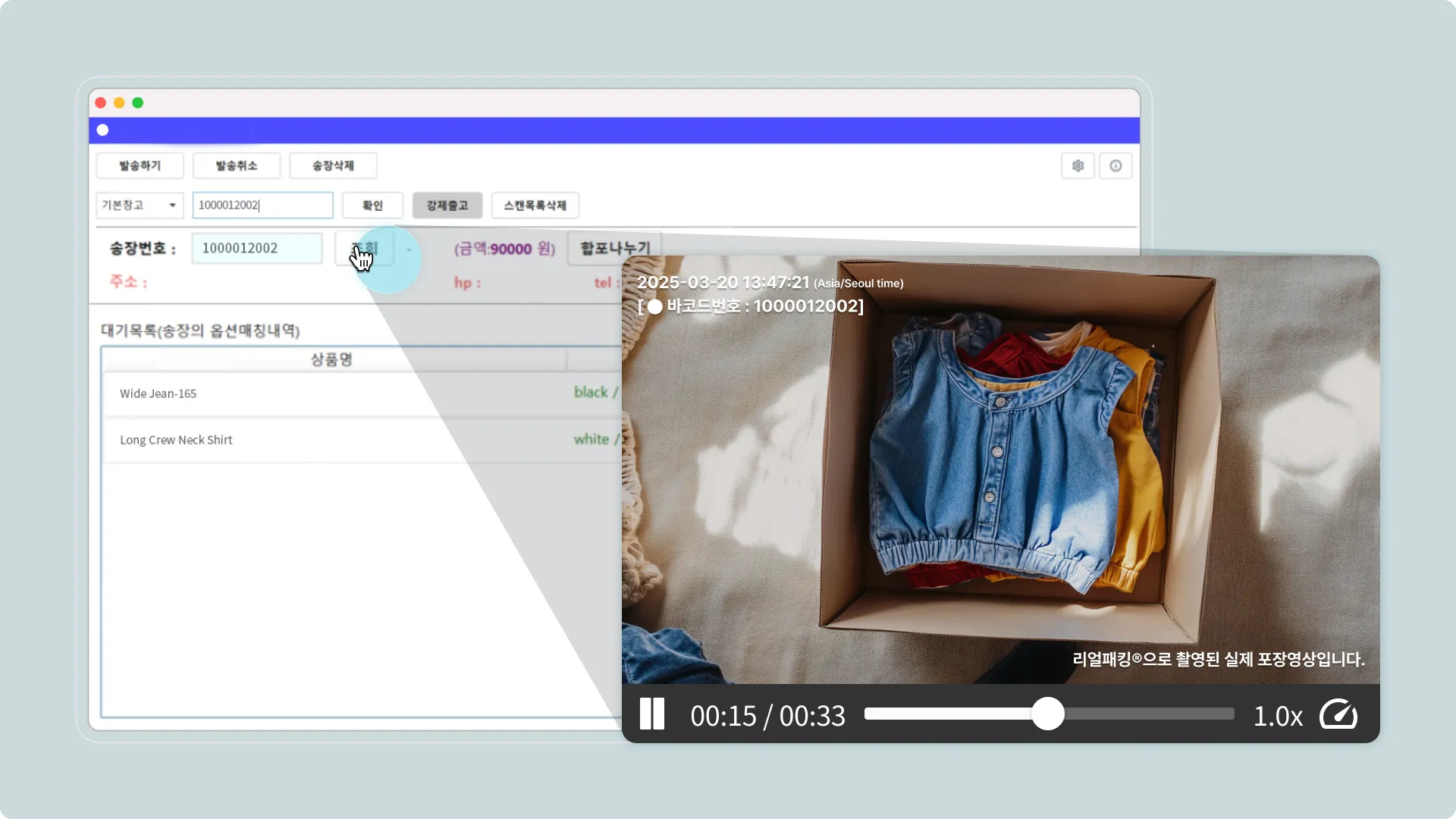
All these questions converge on one point: can video documentation fit into existing workflows without adding friction?
What drew the most interest was whether teams could access video directly within their WMS — without switching between systems. If managers don't have to juggle multiple platforms, operating an overseas center becomes far more manageable.
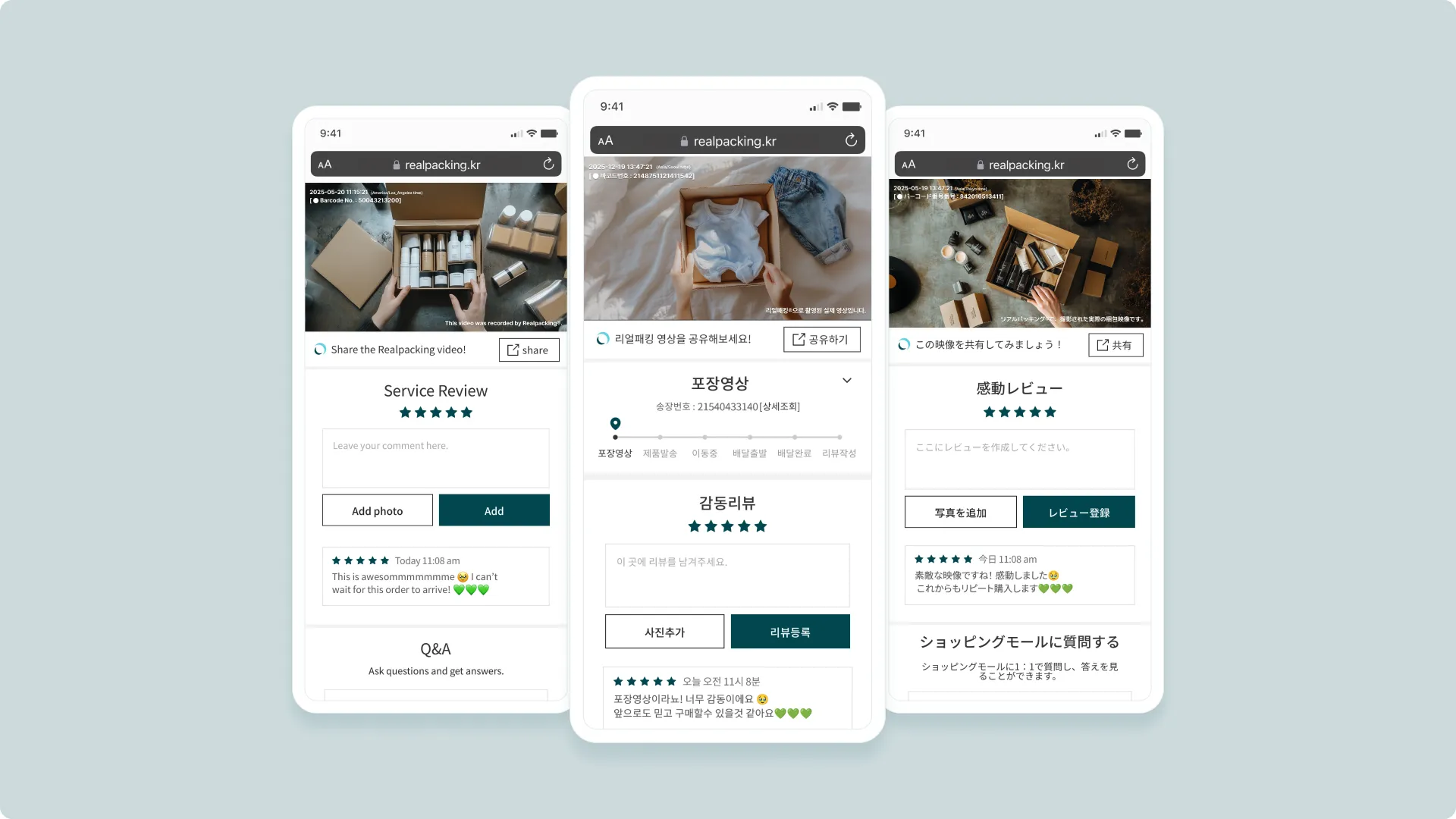
Another major topic: handling customer disputes across borders. When language barriers make explanations difficult, being able to share packing and fulfillment footage lets you communicate "This is exactly how we shipped it" — with evidence, not just words. That difference is critical when resolving international claims.
The bottom line: Can you record, store, and retrieve video seamlessly in a global environment? This approach is already running in the U.S., Japan, Taiwan, and across Asia. For companies planning expansion, there are proven models to follow.
Operating fulfillment centers across multiple countries means navigating regional differences — in infrastructure, culture, and workforce expectations. The risk isn't just operational; it's reputational.
In this environment, what matters most isn't reacting to individual problems. It's maintaining a consistent, verifiable standard that works everywhere.
That's why leading operators aren't looking for entirely new systems in each market. They're deploying what's already proven — with the flexibility to adapt (multilingual support, standard hardware, remote support) but without compromising on quality.
As your logistics footprint grows, the real competitive advantage is a system that delivers the same standards — no matter where in the world your warehouse is.


