
When your lines run flawlessly, the hard part isn't getting it right. It's proving you did.
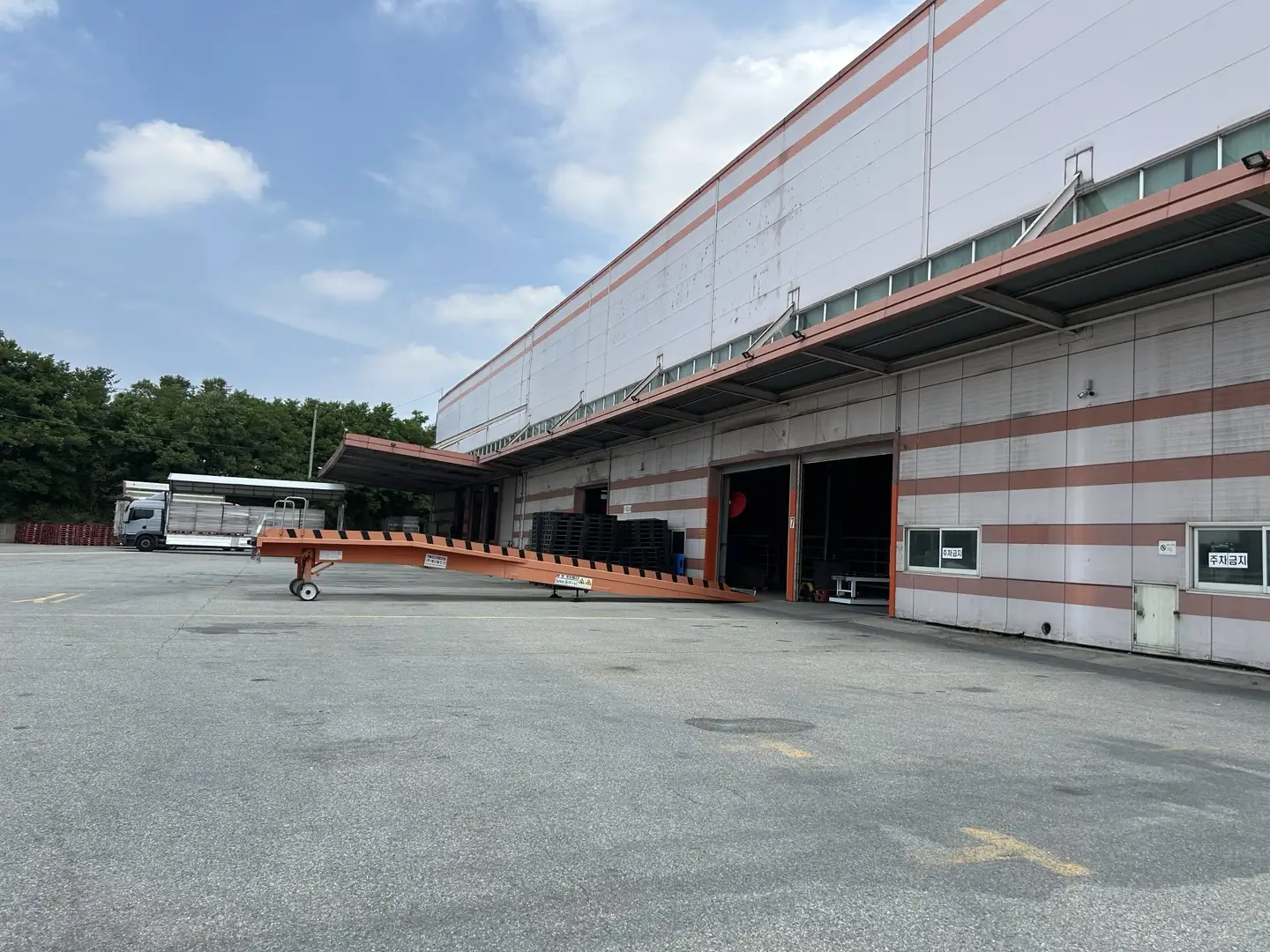
Visit enough fulfillment operations and you start hearing the same question. The system processed the order correctly, but how do you show the customer that it did? Getting it right turns out to be easier than proving you got it right.
We recently met an automated fulfillment center wrestling with exactly that. This apparel operation already ran RFID inspection, automated sorting, and automated bagging. Lines moved without anyone checking each item by hand, and mis-shipments rarely happened.
And yet the center decided to record its packing process on video. No matter how accurate the inspection was, accuracy alone couldn't stop the moment a customer says, "This isn't what I received." The goal wasn't to do the job better. It was to remove the one case they couldn't prove.
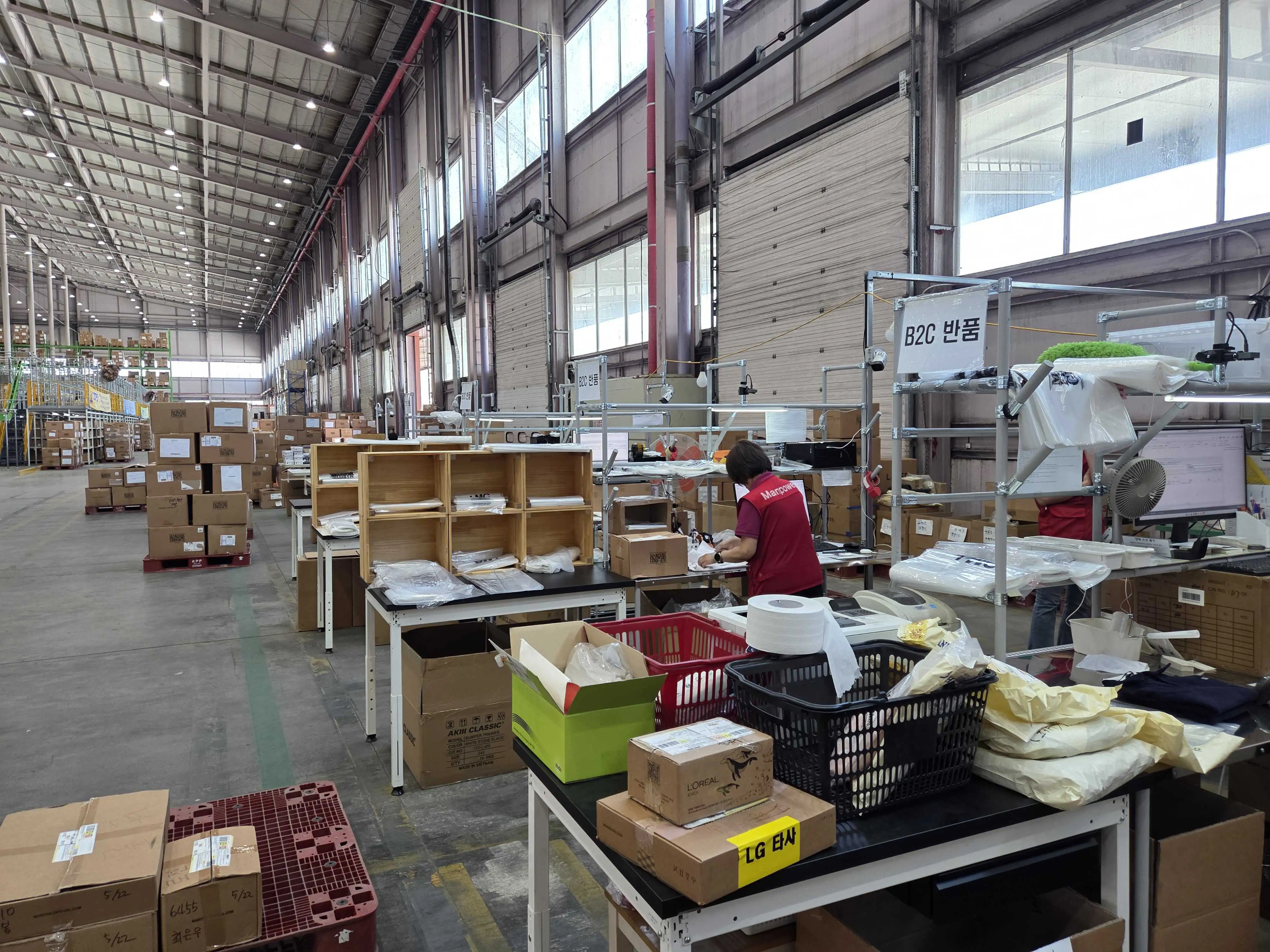
At first, the scope was narrow. The plan was to place a few units to handle disputes that arise during returns. Online sales always bring returns, and the friction along that path is the most frequent of all.
But as they operated it, the scope widened on its own. Recording expanded beyond returns to the entire outbound line, and then to the automated bagging line. Shipments heading overseas began to be documented the same way. A small initial trial earned its place by proving useful on the floor.
What's interesting is that this expansion wasn't because the existing inspection was lacking. The inspection was already precise enough. They simply needed a separate way to show that precision to the outside world.
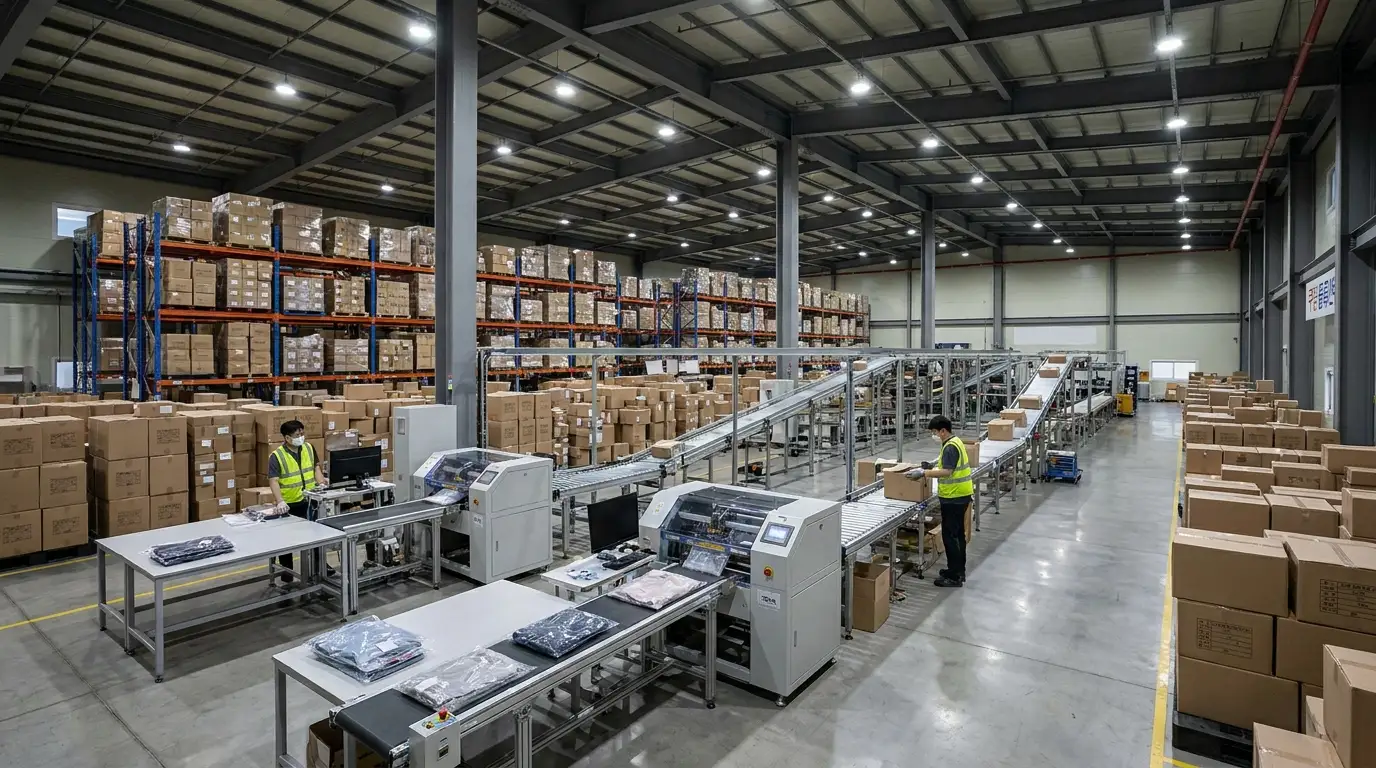
Automation leaves behind throughput. A dispute asks a different question: what actually went into the box?
A line where RFID, automated sorting, and automated bagging interlock matches every item to the right box within the line itself. Every step is logged and verified. But the moment a claim comes in, the person sitting across from you isn't the systems engineer. It's the customer, the seller, the CS rep, the settlement team.
What they need isn't a system log. It's the footage that instantly convinces them the right product went into that box. A log states pass or fail in numbers. People believe what they see with their own eyes. And there's always a sliver of room where reality and the system can diverge, like a barcode applied to the wrong item, even when the system reads it as correct.
On the floor, teams facing a claim tend to say not "we were wrong" but "we have no way to prove it." Every minute spent rewinding CCTV and tracing it back with the packing staff is a minute of efficiency lost. The gap wasn't in the processing. It was in the place where you pull out and show that the processing happened.
The spot this center cared about most was the automated poly-bag packing station. Items that clear the auto-sorter arrive in a basket, a worker completes the RFID check right there, and the bag is sealed and sent out. It's the fastest point on the line, and the one with the least human contact.
But that's exactly what creates the blind spot. The faster items are sealed and shipped, the less footage remains to pull up later about what went inside. The more dispute-prone the station, the fainter the trace it leaves behind.
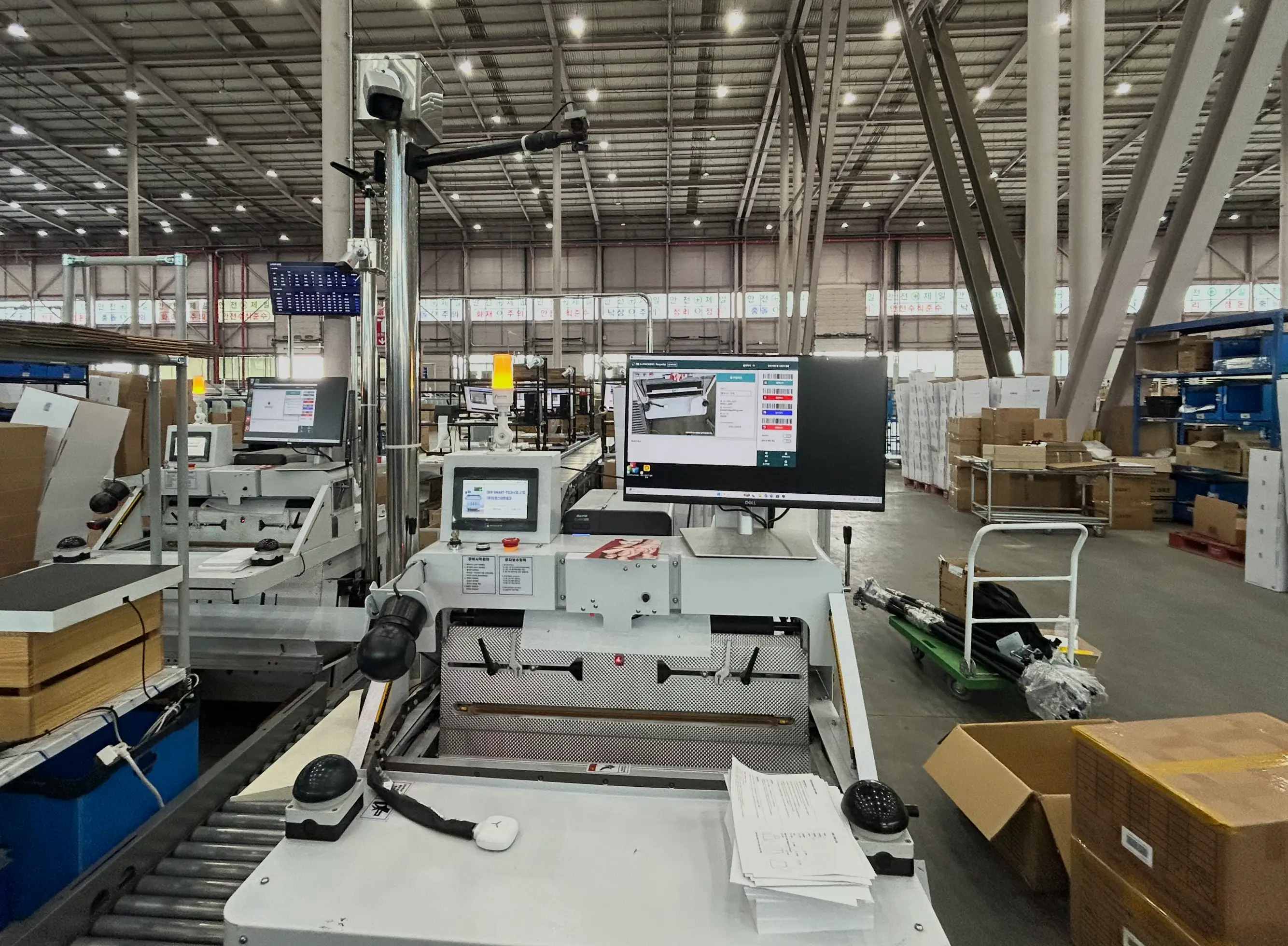
The integration didn't wire directly into the bagging machine. It connected to the control flow that drives the machine and to the WMS, so that the moment a shipping label is recognized, recording starts automatically. This is Realpacking at its core: an Advanced Video Documentation System that captures the packing moment, indexed to the shipping label, without touching the line. Because of that, it rode on top of the fast-moving bagging process without slowing it down and without altering the existing line. It fills the record that had been missing at the bagging station.
The camera sat high above the packing area with a wide angle, and its position and field of view were tuned to the ceiling equipment and the flow of movement below. The process itself stayed untouched.
Adding something to a smoothly running automated line is usually anything but simple. The moment you stop the line or change a worker's path, the efficiency you fought hard to tune starts to wobble.
Video documentation went in the same way whether at the automated poly-bag machine or the standard outbound line. Linked to the WMS, scanning the label starts the recording, and workers move exactly as they always have. It runs on standard equipment rather than specialized hardware, with no separate process change, and the setup stayed light enough to wrap in a day.
The storage and operational load turned out smaller than first feared, too. It isn't blanket surveillance that watches every frame. It pulls up only the segment you need, by shipping label. You open just the orders that drew a claim, by that same label. Set the retention period and lookup scope to fit the site, and the load shrinks further.
Showing that automation works well and proving that a specific job was done right are two different things. A log shows the pass. Video shows the packing moment. Their roles are not the same.
Even in an automated center, the cost that lingers to the very end is the dispute-handling cost you pay when an exception arises and you can't immediately prove, in front of the customer, that it was handled correctly. The time spent responding, the back-and-forth over who is accountable, the line that stops in between. All of it lands here.
Video documentation translates the trust built into your automation into a language that customers, CS, and settlement teams can recognize at a glance. Across many automated sites, we keep meeting operations that care as much about showing the job was done well as about doing it well. Automation's next concern often begins right there.
An automated site rarely runs on a single system. In most cases, different solutions like the WMS, the auto-sorter, and the auto-bagger mesh and run at the same time. The case here was already a site where several systems were precisely connected, and video documentation was simply one more layer added on top.
When you add a new solution in an environment like this, what matters far more than raw performance is whether it can blend in naturally without disturbing the existing equipment and processes. It rides on top of an already-running flow without stopping the line or changing how people move. The more complex automation becomes, the more solutions converge rather than collapse into one, and the ability to dissolve flexibly into the gaps becomes the condition for being used on the floor for the long run.


